
Safe harbour impacts utility-scale figures
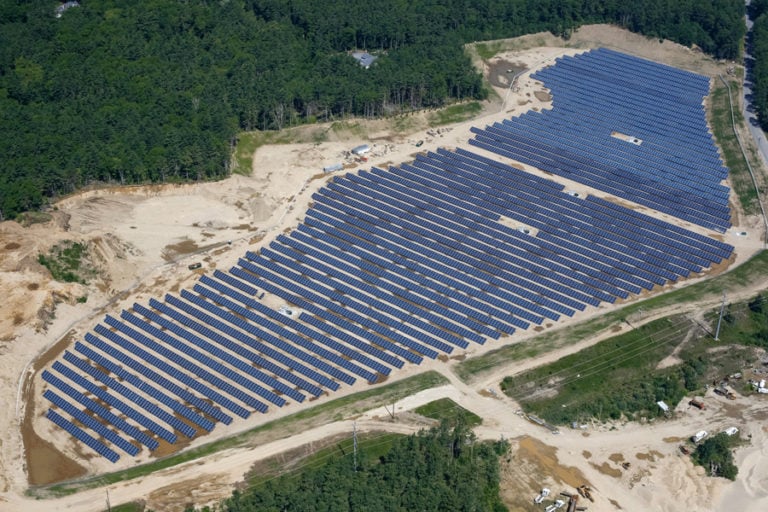
The utility-scale solar sector declined the most in 2025, dropping by 16% year-on-year (YoY) compared with 2024 to 34.7GW. The report said that the first three quarters of 2025 saw almost the same installation rates as the equivalent period in 2024, but that in Q4 “substantially fewer projects that were originally slated” actually materialised.
The utility-scale sector shrank almost 40% between Q3 and Q4, the report said, as a direct result of the policy changes in the Trump administration’s ‘One, Big, Beautiful Bill Act’. “Revised tax credit timelines and safe harbour dynamics reduced the imperative to interconnect by year-end,” the report said, as “developers focused on safe harbouring as much of their pipelines as possible.”
Achieving safe harbour requires meeting the threshold for the “start of construction” laid out by the Treasury last year, then giving a four-year window to complete construction.
This means larger projects must have met the threshold by 4 July 2026, or have done so by the end of 2025 in order to avoid Foreign Entity of Concern (FEOC) restrictions. Failure to meet these requirements will remove access to the current tax credits for solar projects.
“As developers shifted their focus towards safe harbor strategies, there was less urgency to bring late-stage projects online by year end,” the report said. “This weakened fourth quarter deployment but created a more robust near-term pipeline for 2026 and 2027.”
Residential rush didn’t appear, C&I grows
The residential market remained largely consistent from 2024 to 2025, declining just 2% to 4,647MW. The rush of residential installations that was expected before the 25D tax credit expired did not manifest itself, the report said, as “there simply wasn’t enough time to meaningfully ramp up sales and installations after the passage of the OBBBA.”
As well as time, SEIA and Wood Mackenzie said that equipment delays and shortages in the residential sector hampered its growth and put the brakes on a project construction surge.
By contrast, the commercial & industrial (C&I) solar segment grew by 6%, reaching 2,345MW in 2025. This was driven by the ongoing pipeline of legacy Net Energy Metering 2 (NEM 2.0) projects coming online in California, with preferential rates for solar energy repayments.
Community solar declined the most, by 25%, due to expected drop-offs in project pipelines from Maine and New York, which have been significant states for the community solar market.
‘Monumental’ year for manufacturing
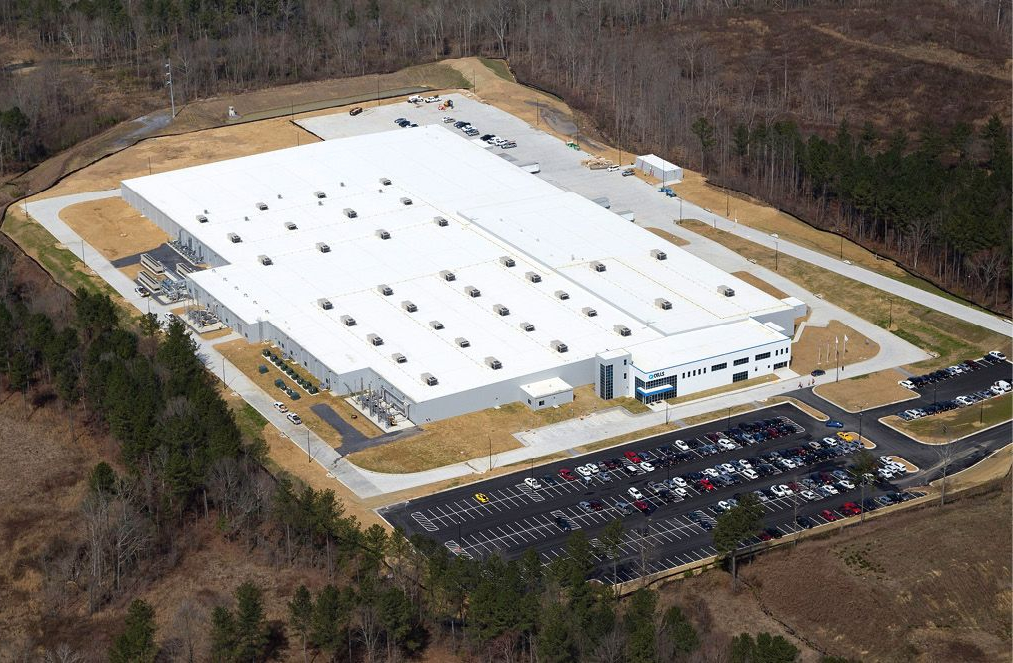
By contrast to turbulent deployment figures, the report said 2025 was a “monumental” year for US solar manufacturing.
Solar cell capacity continued to expand, following in the footsteps of the massive expansions in module manufacturing capacity built in 2023-24. The first wafer manufacturing capacity in the US since 2016 came online in 2025, via Corning’s facility in Michigan.
Looking forward, the Foreign Entity Of Concern (FEOC) restrictions may be a fly in the ointment for US solar manufacturers. Despite the interim FEOC guidance released by the Treasury last month, “critical uncertainties remain,” the report said. This includes specific criteria around the involvement of certain foreign entities in designated manufactured products, for which the report said “No timelines have been given, and since the construction-start deadline is July 2026, future guidance may come out too late for the industry to act upon it.”
Tripling market size
Despite these complications, the report forecasts that the US solar market will nearly triple in size over the next decade, adding 490GW to reach 769GW.
Variations in the outcome will be dictated by FEOC rules, demand growth from data centres, federal permitting reforms and changing tariff rules. All of these factors entail uncertainties which could impact the growth of the market. Read SEIA and Wood Mackenzie’s full report and forecasts here.
https://www.pv-tech.org/us-adds-43-2gw-of-new-solar-pv-capacity-in-2025/