
Latest
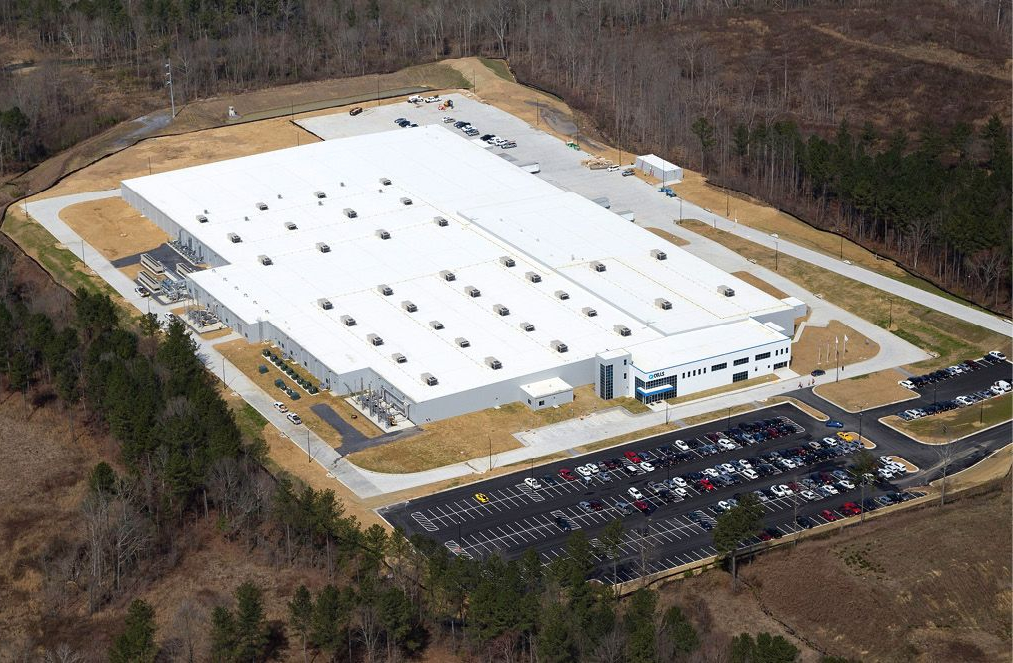
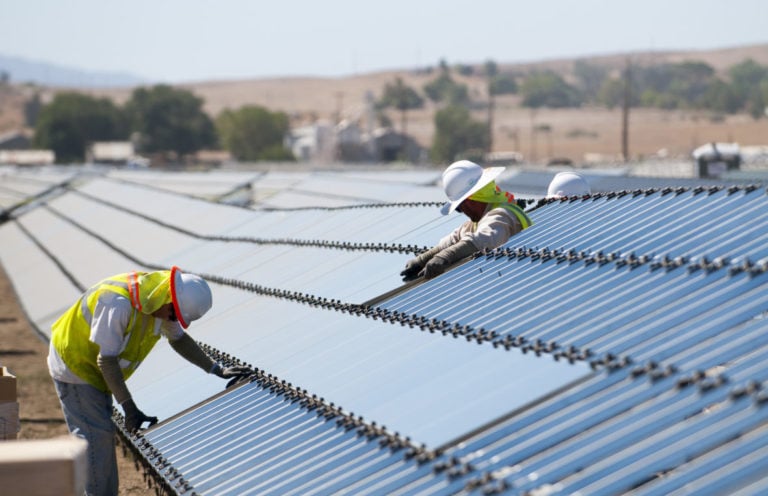
Growth in solar installations outstripped the increase in jobs in the sector in 2024, IRENA found. Image: First Solar
Solar dominated employment in the renewable energy sector in 2024, accounting for over 40% of the global renewables workforce, the most of any sector.
According to the annual renewable energy jobs report by the International Renewable Energy Agency (IRENA), the global PV sector accounted for 7.2 million jobs globally, up from 7.1 million in 2023.
This article requires Premium Subscription Basic (FREE) Subscription
Already a subscriber? Sign In
Try Premium for just $1
Full premium access for the first month at only $1
Converts to an annual rate after 30 days unless cancelled
Cancel anytime during the trial period
Premium Benefits
Expert industry analysis and interviews
Digital access to PV Tech Power journal
Exclusive event discounts
Or continue reading this article for free
China dominated the solar workforce, accounting for 58% of the total jobs, followed by India, Brazil, the US and Pakistan in the top five.
Overall, the report revealed only modest growth in the total renewable energy jobs in 2024, despite record installations across all technologies that year.
According to IRENA’s figures, the total renewable energy workforce grew 2.3% to 16.6 million in 2024, against a record 15% increase in the total renewable power capacity in 2024 to 4,443GW.
The growth in solar jobs reflected this pattern, with the 32% growth in solar capacity in 2024 far outstripping the increase in jobs in the sector.
IRENA said the relatively slower growth in jobs in 2024 indicated that the energy transition had entered a “new phase”, in which automation and economies of scale meant comparatively less human labour was needed to build each new unit of capacity.
Another factor IRENA said was the scale of deployment, with decentralised rooftop solar being more labour-intensive than utility-scale projects. The emergence of artificial intelligence in the coming years will also have “far-reaching impacts”, though how this will impact job losses or gains “remains to be seen”, the agency said.
IRENA director-general, Francesco La Camera, said: “Renewable energy deployment is booming, but the human side of the story is as important as the technological side. Governments must put people at the centre of their energy and climate objectives through trade and industrial policies that drive investments, build domestic capacity, and develop a skilled workforce along the supply chain. The geographical imbalance of the job growth reminds us to get international collaboration back on track.”
PV Tech has been running PV ModuleTech Conferences since 2017. PV ModuleTech USA, on 16-17 June 2026, will be our fifth PV ModulelTech conference dedicated to the U.S. utility scale solar sector. The event will gather the key stakeholders from solar developers, solar asset owners and investors, PV manufacturing, policy-making and and all interested downstream channels and third-party entities. The goal is simple: to map out the PV module supply channels to the U.S. out to 2028 and beyond.
Understanding PV module supply to the European market in 2027. PV ModuleTech Europe 2026 is a two-day conference that tackles these challenges directly, with an agenda that addresses all aspects of module supplier selection; product availability, technology offerings, traceability of supply-chain, factory auditing, module testing and reliability, and company bankability.
Read Next
Enphase has begun US shipments of its new IQ9N-3P three-phase gallium nitride-based microinverter aimed at commercial rooftops.
The European Bank for Reconstruction and Development (EBRD) will invest almost US$200 million in a 300MW/75MWh solar-plus-storage project in Uzbekistan.
DNV has forecast that the Middle East and North Africa (MENA) region will add 860GW of new solar PV by 2040.
Analysis: As Eging PV comes under pressure to repay investment in an incomplete manufacturing facility, China’s solar manufacturers face an uphill struggle to put recent challenges behind them.
Africa added 2.4GW of new solar PV capacity in 2025, an accomplishment dubbed by AFSIA CEO John van Zuylen as ‘very positive’.
Australian start-up Stellar PV has released early details of the solar ingot and wafer facility it plans to build in the state of Queensland.
Most Read
Upcoming Events
https://www.pv-tech.org/solar-dominated-renewables-workforce-in-2024-irena/