

Niger state governor, Mohammed Umaru Bago, has advocated for local manufacture of solar panels and batteries to address job creation, lower costs, and strengthen Nigeria’s renewable energy supply chain.
The governor gave this position Thursday in Abuja at the Rural Electrification Agency (REA) state- by- state roundtable engagement with Niger state, where he advised against the importation of solar panels and batteries, going forward.
He said the state is already leading by example in transitioning hospitals, public schools, and government offices into green facilities.
According to him, Niger state is the first sub-national government in Nigeria to establish a Green and Blue Economy Agency, staffed with professionals who understand climate finance, sustainability, and the future of development.
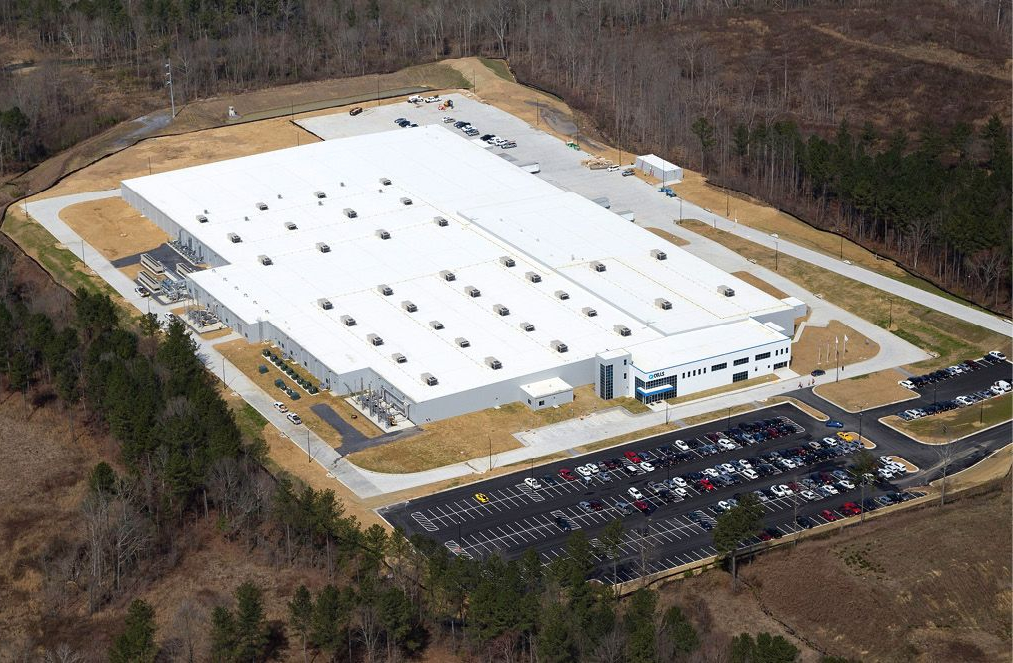
He called on companies in Nigeria and conglomerates to set up factories for production of renewable, solar cells and batteries.
“So, to make solar cells, you don’t even have to bring it from China. The Chinese community can come and set up a tax rate, no tax in Nigeria.
“True sustainability demands something stronger than personalities. It requires resilient institutions systems that are faceless, enduring, and capable of standing the test of time. That belief is what brought us together in this room: to discuss how renewable power can be made truly sustainable in Nigeria.
“Infrastructure without economic activity will fail. You can build houses, but if people have no livelihoods, they cannot pay their mortgages. You can deploy renewable energy, but if people are not producing anything, they cannot pay for power. You can build hospitals, but without income, healthcare becomes unsustainable.
“That is why Niger State took a bold step setting aside over 100,000 hectares of land for housing and agriculture under its flagship development program.
“The idea was simple: production creates revenue, revenue creates sustainability. When people produce, they can pay for energy, housing, healthcare, and education. When there is production, sustainability becomes natural,” he said.
Also, the Executive Director of Rural Electrification Fund (REF), Engr. Doris Uboh, explained that the REF national programme targets 7.4 million households, impacting over 43 million Nigerians, while achieving 1.5 million tons of carbon reduction positioning Nigeria strongly in the global carbon market.
https://blueprint.ng/renewable-energy-bago-harps-on-locally-made-solar-panels-batteries/