
Latest
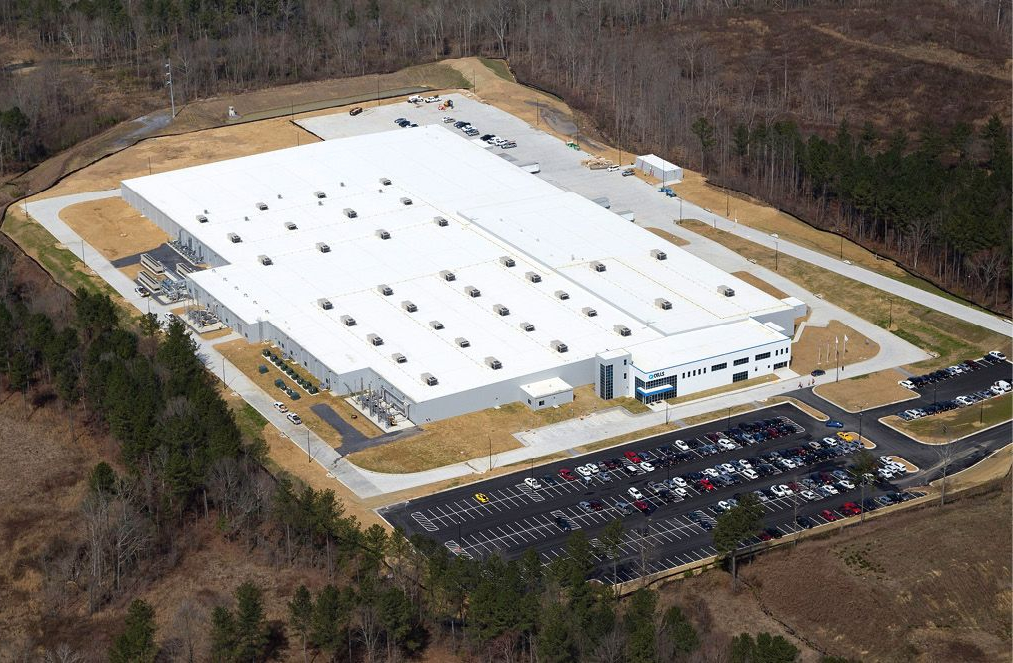
JA Solar first filed a lawsuit against Astronergy in August 2025. Image: Astronergy
Astronergy and JA Solar have announced plans to “terminate” all ongoing patent disputes, and have “reached an agreement on cross-licencing” of tunnel oxide passivated contact (TOPCon) patents moving forward.
The Chinese module manufacturers said that the agreement, reached over the weekend, sets a precedent for “health and sustainable intellectual property cooperation” in the solar PV sector, which has seen a number of patent lawsuits in recent months.
This article requires Premium Subscription Basic (FREE) Subscription
Already a subscriber? Sign In
Try Premium for just $1
Full premium access for the first month at only $1
Converts to an annual rate after 30 days unless cancelled
Cancel anytime during the trial period
Premium Benefits
Expert industry analysis and interviews
Digital access to PV Tech Power journal
Exclusive event discounts
Or continue reading this article for free
Earlier this year, fellow Chinese giants Jinko and LONGi ended their own patent disputes, and both the Jinko-LONGi agreement and the Astronergy-JA Solar deal include the term “cross-licensing” to refer to the various’ companies’ uses of technologies covered by each others’ intellectual property agreements.
Astronergy and JA Solar also noted that neither company will initiate “litigation or other proceedings” against the other pertaining to TOPCon patents anywhere in the world, suggesting that this will bring a permanent end to TOPCon patent disputes between the two companies.
The announcement brings to an end close to a year and a half of legal turmoil, which began with JA Solar filing a lawsuit for alleged TOPCon patent infringement in Europe against a then-unnamed manufacturer. In the following weeks, the dispute spread to the European Patent Office, and involved French start-up PV producer Carbon, over uncertainties regarding two JA Solar patents, pertaining to the structure of TOPCon cells, the arrangement of electrodes on solar cells and the leads connecting the cells that make up a module.
“We believe this outcome will help foster a healthier and more orderly innovation environment across the industry, encourage fair and dynamic competition and contribute to building a well-regulated and sustainable intellectual property landscape,” said Astronergy and JA Solar of their agreement. “Together, we aim to support global energy transition and contribute to a low-carbon future.”
The emphasis on a “healthier” market environment is notable, as the ongoing oversupply of modules in China, combined with disruptions to global supply chains distancing particularly European and North American buyers of Chinese products, has led to a collapse in module prices.
Earlier this year, China’s top four module manufacturers—including LONGi, Jinko and JA Solar—posted losses of over US$1.5 billion, and while patent agreements alone will likely not reverse this trend, there appears to be a growing acceptance in the industry that collaboration is necessary to ensure the long-term financial health of the sector.
PV CellTech Global will gather the key stakeholders from PV manufacturing, equipment/materials, policy-making and strategy, capital equipment investment and all interested downstream channels and third-party entities. Join us in Q1 of 2027
Read Next
The Australian Renewable Energy Agency (ARENA) has announced up to AU$151 million (US$98 million) in conditional funding for Sunman Energy to establish a 500MW per annum solar module manufacturing facility in the Hunter Valley, New South Wales (NSW).
Sunsure Energy has signed a long-term power purchase agreement (PPA) with Indian drinking water brand Bisleri International.
Multinational solar manufacturer Canadian Solar will assume direct control of its US solar PV and energy storage manufacturing operations, in a strategic move which may reduce its supply chain risks.
Steven Xuereb of Kiwa PI Berlin discusses the PV industry’s progress in addressing performance and reliability concerns around TOPCon technology.
LONGi has acquired system integrator PotisEdge, and plans to launch an ‘Energy Storage One-Stop Solution’.
Chinese module manufacturer Huasun Energy has launched a new heterojunction module with a 760 W output, a 2,000 V system voltage and 24.5% module efficiency.
Most Read
News , Features , Interviews
Upcoming Events
https://www.pv-tech.org/astronergy-ja-solar-terminate-patent-disputes-reach-cross-licencing-agreement/